
Part of Week 2: Feature Activation — Day 10.
Every business owner has a story. How you started. Why you started. The late nights, the first customer, the coffee-fuelled moments where you wondered if this whole business thing was a terrible idea.
Certainly a story worth telling. The problem is your home page isn't where most people want to read it. Visitors don't arrive on your website thinking,
"I hope there's a 700-word case study history lesson."
They arrive wondering:
"Can these people help me?"
Key Takeaways: How to Write Homepage Copy
- Website visitors scan before they read, so homepage copy should be clear, concise, and easy to navigate.
- Lead with customer benefits rather than your company history. Explain what your experience, services, or features actually mean for them.
- Put your most important message near the top: what you do, who you help, and what visitors should do next.
- There's no perfect homepage word count. Use enough copy to answer important questions without burying visitors in unnecessary detail.
- Save your longer company story for your About Us page, where interested visitors are more likely to give it the attention it deserves.
Your Week 2 Roadmap: Feature Activation
Getting your site live in Week 1 was step one. Now it’s time to switch on the features that actually make your business money: stores, bookings, payments, and the small details that turn visitors into customers. Here’s what’s ahead:
- Why You’re Putting Off Launching Your Store
- Why Clients Still WhatsApp You Instead of Booking Online
- Why Visitors Skim Past Your “About Us” Section (this post)
- Why “Setting Up Payments” Feels Scarier Than It Is
- Why You’re Afraid to Turn On Online Bookings
- Why Your Photos Are Quietly Hurting Your Site
- Why Your Contact Form Isn’t Getting Submissions
Let’s start with the feature most business owners are most nervous to switch on: the store itself.
Why Do Visitors Ignore "About Us" Sections?
Most visitors don't ignore your "About Us" section because it's uninteresting. They skip it because they're scanning your homepage for quick signs that they can trust your business. Replacing long web copy with short, benefit-focused sections helps visitors understand why your business matters. Before they decide to read your full story in a blog post or other landing page.
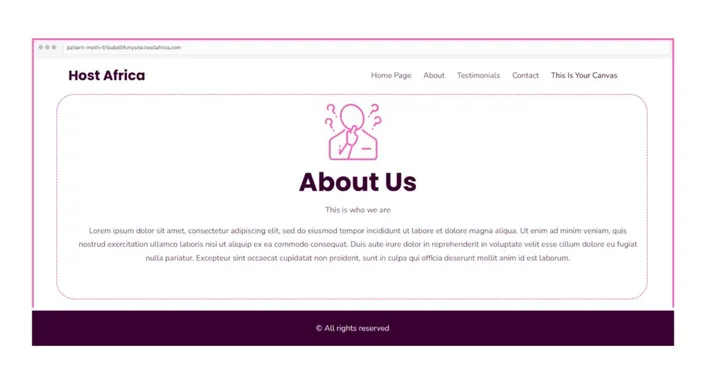
People Scan Before They Read
Think about the last time you landed on a new website. You probably didn't read every sentence, you probably just scanned. Your visitors do exactly the same thing.
They're looking for quick answers:
- Can you solve my problem?
- Can I trust you?
- Why should I choose you?
If the answers to those questions are buried halfway through a long paragraph, there's a good chance they'll never find it. That also tends to dampen the user experience and ultimately, your conversion rate.
How Much Copy Should Your Homepage Have?
There's no magic homepage word count. Your homepage isn't a school essay, and nobody is standing at the bottom checking whether you reached 1,000 words.
Instead, include enough copy to help visitors understand these points:
- What you offer
- Who it's for
- Why they should trust you
- What they should do next.
That might take 400 words for one business and 800 for another. What matters more is how those words are organised, so start writing
Break longer sections into short paragraphs, headings, bullet points, and benefit blocks so visitors can scan before committing to reading.
Think road signs, not instruction manuals. Your homepage should keep pointing visitors in the right direction without making them stop every ten metres to read a novel.
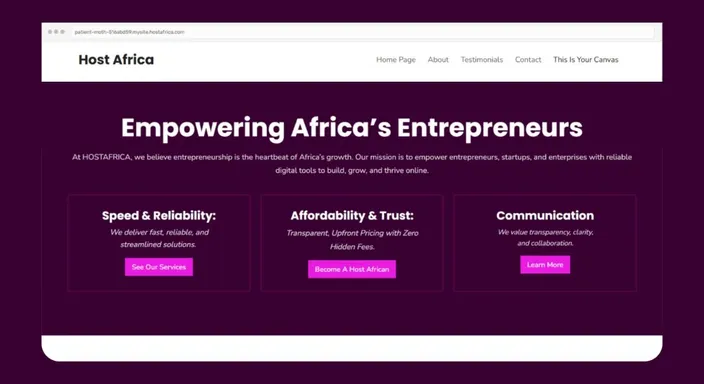
Turn Your Story Into Customer Benefits
Instead of leading with your history, lead with what that history means for your ideal clients.
For example:
Feature: "We've been serving customers since 2018."
Benefit: "Years of experience mean faster service and fewer surprises."
See the difference? One talks about you. The other explains why your experience matters. A simple three-column section works brilliantly here.
You don't need to spend hours writing website copy or even learning how to write well. Lead with what benefits your customers first. Further down your page can include some social proof as well.
For example:
- Fast Service: Same-day local delivery.
- Transparent Pricing: No hidden costs or surprise fees.
- Trusted Experts: Qualified professionals you can rely on.
It's quicker to read, easier to scan, and far more useful during those crucial first few seconds.
Put Your Most Important Website Copy First
Even brilliant website copy won't do much if visitors need three minutes of scrolling to find it.
Your most important message belongs near the top of the homepage. Start with a clear headline explaining what you do, follow it with a short supporting sentence, and give visitors an obvious calls to action (CTAs).
From there, introduce your biggest customer benefits, trust signals, products or services, and supporting information.
Think of your homepage like meeting someone for the first time. You wouldn't begin with your complete life story before mentioning your name.
Give visitors the information they need in the order they need it. Once you've answered their immediate questions and earned their interest, they're far more likely to stick around for the longer story. Usually, the longer story will be on one of your other website pages, like your About Us page.
Save The Full Story For Later
This doesn't mean your story is insignificant. It absolutely is. It just deserves its own space.
Use your homepage to earn someone's attention. Then invite them to your About page if they'd like to learn more. By that stage, they're interested.
Now they'll actually read it and likely explore your other service pages.
Quick Tip
Whenever you're writing about your business, finish this sentence:
"Which means that you..."
The words that follow are usually the real benefit your customers care about. Be sure to accompany it with a clear call to action and you're golden.
Frequently Asked Questions
Should I remove my About Us section?
No. Your story can help visitors understand who you are and build trust in your business. It simply doesn't need to dominate your homepage.
Keep the homepage version short and focus on the parts of your story that matter most to customers. You can then link to a dedicated About Us page where interested visitors can learn about your history, team, values, and how the business started.
Think of the homepage version as the trailer rather than the entire film.
What's the difference between a feature and a benefit?
A feature describes something your business, product, or service has or does. A benefit explains why that feature matters to your customer.
For example, "We've been serving customers since 2018" is a feature. Explaining that those years of experience mean faster service, reliable advice, and fewer surprises turns it into a customer benefit.
When writing homepage copy, ask yourself: "Which means that you…?" The answer will often uncover the benefit your visitors actually care about.
Where should my benefits appear?
Your most important customer benefits should appear relatively high on your homepage. Ideally, after your headline or subheaders, supporting copy, and primary call to action.
Visitors often scan a page before deciding whether it's worth reading properly. Showing three or four clear benefits early helps them quickly understand why they should consider your business.
You can expand on those benefits further down the web page with services, testimonials, reviews, or other trust signals. Start with the strongest reasons to choose you, then provide the evidence.
What should I write on my homepage?
Explain what you do, who you help, why someone should choose you, and what they should do next.
Start with a clear headline and supporting sentence, then introduce your main benefits, products or services, trust signals, and a call to action. Save the finer details for your other pages.
Is homepage copy important for SEO?
Yes. Homepage copy helps search engines understand what your business and website are about.
Naturally include relevant products, services, locations, and search terms where they genuinely help the reader. Don't stuff keywords into every paragraph. Clear, useful copy for visitors should remain the priority.
Next in this series: Why Setting Up Payments Feels Scarier Than It Is →
Ready to turn your story into homepage copy people actually read? HostAfrica's Website Builder includes ready-made content blocks that make it easy to highlight your benefits without overwhelming your visitors.
